

Web development trends 2026 every US and UK business should act on now: AI-built sites, AEO and GEO, Core Web Vitals and conversion-first design that ranks.
Web development trends 2026 are moving fast, and for businesses in the United States and the UK the stakes have never been higher. Search is being reshaped by AI, buyers judge a brand in the first two seconds of load time, and a good-looking website is no longer enough to win the click. This guide breaks down the web development trends 2026 that actually move revenue, and exactly what US and UK companies should build now to get found, get chosen, and grow.
Quick answer: the web development trends 2026 that matter most for US and UK businesses are AI-assisted development, optimizing for AI and answer engines (AEO and GEO), Core Web Vitals performance, conversion-first design, and custom web apps that automate manual work.
- AI-assisted web development is now standard, not a novelty, and the edge is in how you use it.
- Answer Engine Optimization (AEO) and Generative Engine Optimization (GEO) decide whether you appear in AI answers.
- Core Web Vitals and page speed remain a direct Google ranking factor for US and UK searches.
- Conversion-first design beats decorative design: clarity, speed, and trust win customers.
- Web apps, dashboards, and modern ecommerce are replacing manual work and clunky storefronts.
Why 2026 is a turning point for web development
For most of the last decade, a fast, mobile-friendly marketing site was enough to compete. In 2026 that baseline has shifted. Google's search results now sit alongside AI Overviews, ChatGPT, Gemini, and Perplexity, and each of those surfaces pulls answers from well-structured, trustworthy web pages. If your site is slow, thin, or hard for machines to read, you quietly lose visibility in every one of them at once.
This matters most for US and UK businesses, where buyers research heavily online before they ever fill in a form or add to cart. The web development trends 2026 below aren't about chasing shiny features. They're about being findable and persuasive on the exact surfaces your customers now use.
1. AI-assisted web development is now table stakes
AI has moved from experiment to everyday toolchain. Teams use it to scaffold components, write tests, generate copy drafts, and personalize content per visitor. The result is faster delivery and lower build costs, but only when a skilled engineer owns architecture, security, and quality. AI accelerates good developers; it does not replace them.
For US and UK companies, the practical win is speed to market. A custom website or web application that once took months can now ship in weeks, the kind of custom web development services we deliver at MindWhiz, with clean, maintainable code and AI-driven features like smart search, chat assistants, and dynamic recommendations built in from day one.

2. AEO and GEO: optimizing for answer and AI engines
Classic SEO gets you into Google's ten blue links. Answer Engine Optimization (AEO) and Generative Engine Optimization (GEO) get you into the answer itself: featured snippets, voice results, and the responses that ChatGPT, Gemini, and Perplexity read aloud or cite. This is one of the biggest web development trends 2026 has to offer, because it reaches buyers before they ever reach a search results page.
- Structure content around real questions your US and UK customers ask.
- Add Schema.org structured data for FAQs, products, reviews, and organization details.
- Write clear, quotable answers a model can lift and cite with confidence.
- Keep facts consistent across your site so AI engines trust the source.
“In 2026, the goal isn't just to rank on Google. It's to be the answer the AI gives.”
3. Core Web Vitals and performance still rule
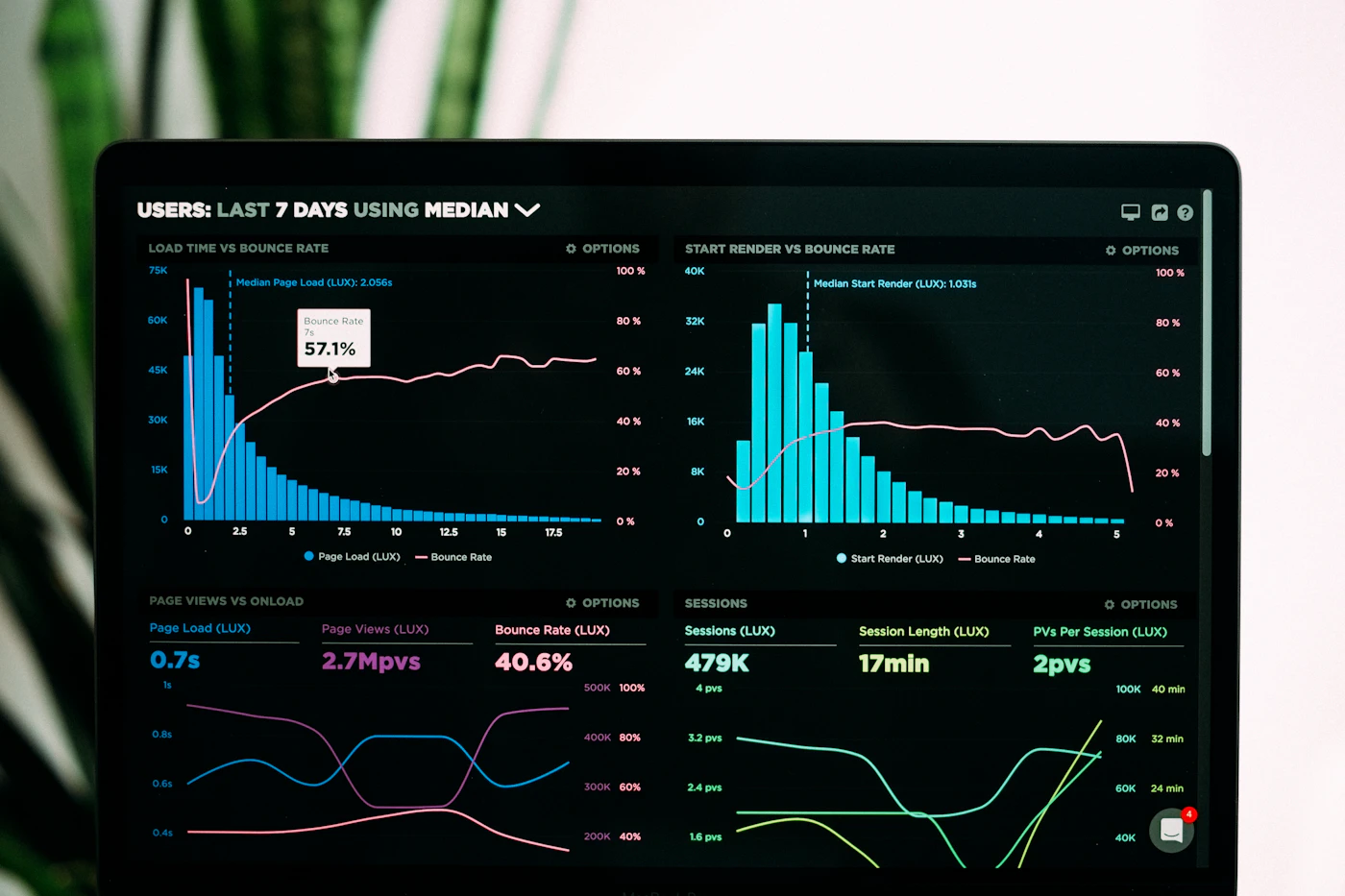
Speed is not a vanity metric. Core Web Vitals, which measure loading, interactivity, and visual stability, are a confirmed Google ranking signal, and they map directly to bounce rate and conversions. In the US and UK, where mobile traffic and paid ads are expensive, every second of load time you save protects both rankings and ad spend.
The 2026 standard is a site that loads in under two seconds on mobile, stays stable as it renders, and responds instantly to taps. That comes from modern frameworks, image optimization, edge delivery, and disciplined engineering, not a heavy template stuffed with plugins.
4. Conversion-first design beats decoration
Beautiful sites that don't convert are just expensive brochures. The web development trends 2026 reward clarity: a sharp headline, an obvious next step, trust signals near every call to action, and friction removed from every form and checkout. Design serves the customer's decision, not the designer's portfolio.
For US and UK audiences specifically, trust cues matter: clear pricing, real reviews, security badges, and fast, human contact options. These small details are often the difference between a visitor who bounces and one who books a call.
5. Web apps and dashboards replace manual work
More businesses are moving off spreadsheets and disconnected tools into custom web applications: internal portals, analytics dashboards, and customer-facing platforms with secure APIs and role-based access. A well-built dashboard turns scattered data into decisions your team can act on in seconds.
This is where web development trends 2026 pay for themselves. A custom web app that automates a manual workflow doesn't just look modern; it saves hours every week and scales with the business instead of holding it back. Explore our web application and dashboard development services to see what that looks like in practice.
6. Ecommerce trends for US and UK stores
Online stores in 2026 win on speed, trust, and a checkout that gets out of the way. Headless and modern commerce stacks give US and UK retailers fast storefronts, flexible payments, and mobile experiences that keep shoppers moving from product page to purchase without hesitation.
- Sub-two-second product pages that hold shoppers' attention.
- One-tap, secure checkout with the payment methods US and UK buyers expect.
- Personalized recommendations that lift average order value.
- Structured product data that wins rich results and AI shopping answers.
What US and UK businesses should build now
You don't need every trend at once. The smartest move is a fast, search-ready foundation you can grow. Prioritize in this order:
- A high-performance website engineered for Core Web Vitals from the first commit.
- SEO, AEO, and GEO built in: structured data, clean markup, and quotable content.
- Conversion-first pages with clear CTAs, trust signals, and frictionless forms.
- Web apps or dashboards to automate the manual work slowing your team down.
- An ecommerce experience tuned for speed, trust, and higher order value.
Want a website built around these web development trends 2026, engineered to rank in the US and UK and convert visitors into customers?
Explore our web development servicesReady to turn these trends into a site that ranks and converts? Get a free, no-pressure quote and a scoped plan for your US or UK project.
Get a free web project quote“The businesses that win in 2026 aren't the ones with the flashiest site. They're the ones that are fast, findable, and impossible to ignore.”
Enjoyed this? Get the next one by email.
One thoughtful edition a month. No spam.